
Self-Care While Traveling: Why Relaxation Should Be Part of Every Trip
Travel offers countless opportunities to explore new destinations, experience different cultures, and create memorable experiences. Whether you're visiting Vietnam for business, leisure, or a special occasion, travel often brings excitement and adventure.
However, many travelers focus so heavily on planning flights, accommodations, attractions, and schedules that they overlook one important element: self-care.
While seeing more places and fitting more activities into your itinerary can be tempting, neglecting rest and relaxation can leave you feeling exhausted before your trip is over. That's why more travelers are recognizing the importance of self-care while traveling.
By making relaxation part of your journey, you can enjoy a more comfortable, balanced, and rewarding travel experience.
What Is Travel Self-Care?
Travel self-care refers to the intentional actions people take to maintain their physical and mental well-being while away from home.
Unlike everyday routines, travel often disrupts:
Sleep schedules
Exercise habits
Meal routines
Stress management practices
Personal downtime
Self-care helps travelers adapt to these changes while maintaining comfort throughout their trip.
The goal isn't simply to avoid stress. It's to create a healthier and more enjoyable travel experience.
Why Many Travelers Feel Exhausted
Travel may seem relaxing from the outside, but it often involves considerable physical and mental demands.
Common sources of travel fatigue include:
Long Flights and Transportation
Hours spent on airplanes, trains, or buses can leave travelers feeling stiff and tired.
Packed Itineraries
Many people try to maximize every moment of their vacation, leaving little time for recovery.
Unfamiliar Environments
New cities, languages, transportation systems, and cultural differences require additional mental energy.
Business Travel Demands
Professionals often combine flights, meetings, presentations, and networking events within tight schedules.
Without proper downtime, these factors can gradually lead to fatigue.
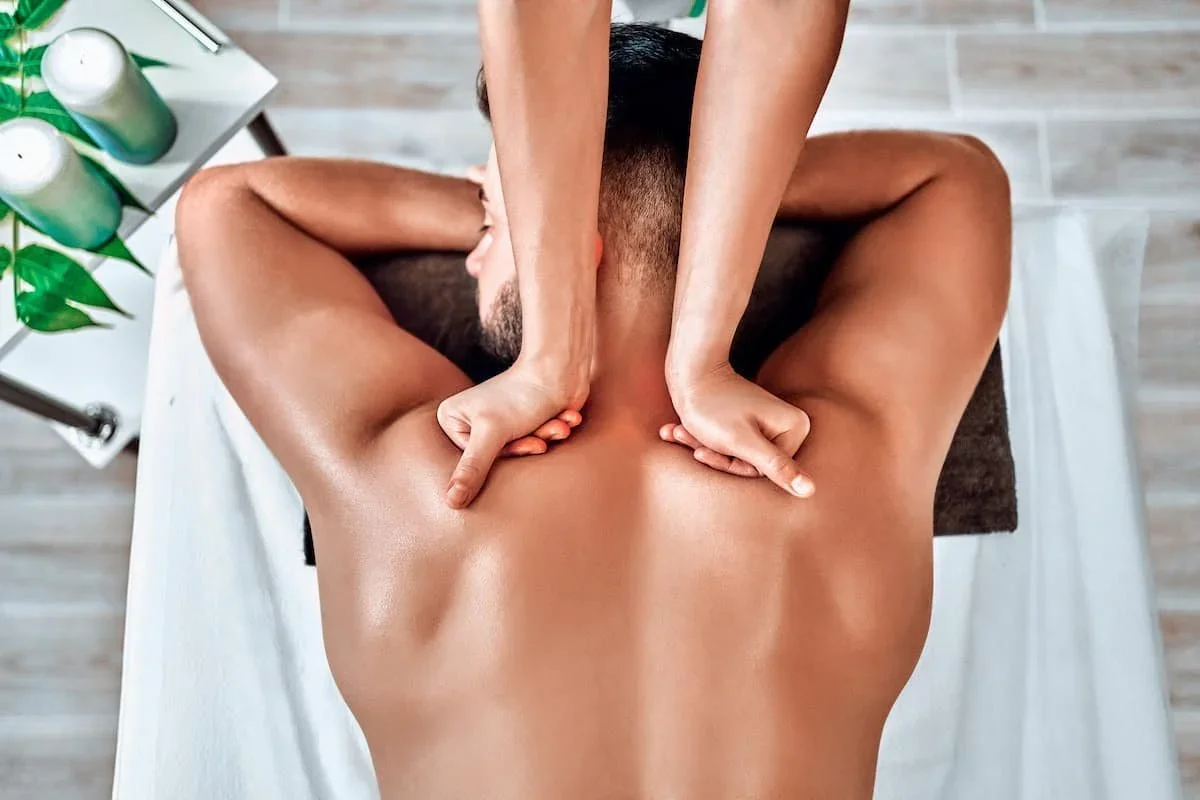
The Benefits of Prioritizing Relaxation During Travel
Relaxation isn't just about comfort—it's about creating balance.
When travelers make time for rest, they often find it easier to enjoy the experiences they've planned.
Benefits of prioritizing relaxation may include:
Improved overall comfort
Better travel enjoyment
Reduced feelings of overwhelm
More balanced daily schedules
Greater appreciation of destinations
Simply put, a well-rested traveler is often a happier traveler.
Practical Self-Care Tips for Travelers
Fortunately, travel self-care doesn't require major lifestyle changes.
Small adjustments can make a significant difference.
Schedule Downtime
Many travelers plan every hour of their trip.
Instead, consider leaving space in your itinerary for relaxation.
Even one quiet afternoon can help you recharge.
Stay Hydrated
Travel often leads people to drink less water than usual.
Flights, hot climates, and busy schedules can contribute to dehydration.
Keeping a water bottle nearby is a simple but effective habit.
Prioritize Sleep
Sleep is one of the most important components of travel recovery.
Whenever possible:
Maintain a consistent sleep schedule
Limit late-night screen use
Create a comfortable sleeping environment
Adequate rest supports overall well-being throughout your trip.
Take Breaks From Screens
Many travelers remain connected to emails, social media, and work responsibilities while on vacation.
Taking occasional breaks from digital devices can help create a more relaxing travel experience.
Enjoy Local Wellness Experiences
Many destinations offer wellness-focused activities that complement sightseeing and exploration.
Examples include:
Spa visits
Yoga sessions
Meditation classes
Beach walks
Massage services
These experiences can help balance active travel days.
Why Massage Is a Popular Travel Self-Care Activity
Massage has become one of the most popular wellness experiences among travelers worldwide.
Many people choose massage because it offers dedicated time to slow down and focus on relaxation.
For travelers, massage can provide:
A break from busy schedules
A peaceful environment
Physical comfort after long journeys
An opportunity to unwind
Because relaxation is the primary goal, massage fits naturally into a self-care-focused travel routine.
The Convenience of Hotel Massage Services
One challenge travelers often face is finding time for relaxation.
After a long day, many people don't want to leave their accommodation again.
This is one reason hotel massage services have become increasingly popular.
Rather than traveling to a spa, guests can enjoy a professional massage experience within the comfort of their hotel room.
Benefits include:
Greater convenience
More privacy
Flexible appointment times
No transportation requirements
Immediate access to rest afterward
For busy travelers, this convenience can make self-care much easier to prioritize.
Finding Balance During Your Trip
A common misconception is that relaxation means doing nothing.
In reality, successful travel often involves balancing activity and recovery.
For example:
Spend the morning exploring a city.
Enjoy a leisurely lunch.
Take time to rest.
Schedule a wellness activity in the evening.
This balanced approach helps prevent burnout while allowing travelers to enjoy more of what their destination has to offer.
Why Vietnam Is Ideal for Wellness-Focused Travel
Vietnam has become one of Southeast Asia's most popular travel destinations.
Visitors are drawn by:
Stunning beaches
Vibrant cities
Historic landmarks
Rich cultural experiences
Excellent hospitality
In addition to traditional tourism activities, Vietnam offers a growing range of wellness and relaxation experiences.
Whether visiting Ho Chi Minh City or Da Nang, travelers can easily combine exploration with personal wellness activities.
This combination makes Vietnam particularly attractive to travelers seeking both adventure and relaxation.
Making Self-Care a Travel Priority
The best travel experiences aren't always the busiest ones.
Sometimes the most memorable moments come from slowing down, relaxing, and appreciating your surroundings.
By making self-care part of your travel plans, you create opportunities to:
Recharge your energy
Improve comfort
Reduce stress
Enhance your overall travel experience
A small investment in relaxation can significantly improve how you feel throughout your trip.
Final Thoughts
Self-care while traveling is not about doing less—it's about traveling more thoughtfully. By prioritizing rest, hydration, relaxation, and personal well-being, travelers can create a more enjoyable and balanced experience.
Whether you're visiting Vietnam for business, leisure, or an extended stay, making time for relaxation can help you get the most from every moment of your journey. After all, the goal isn't just to reach your destination—it's to enjoy the experience along the way.